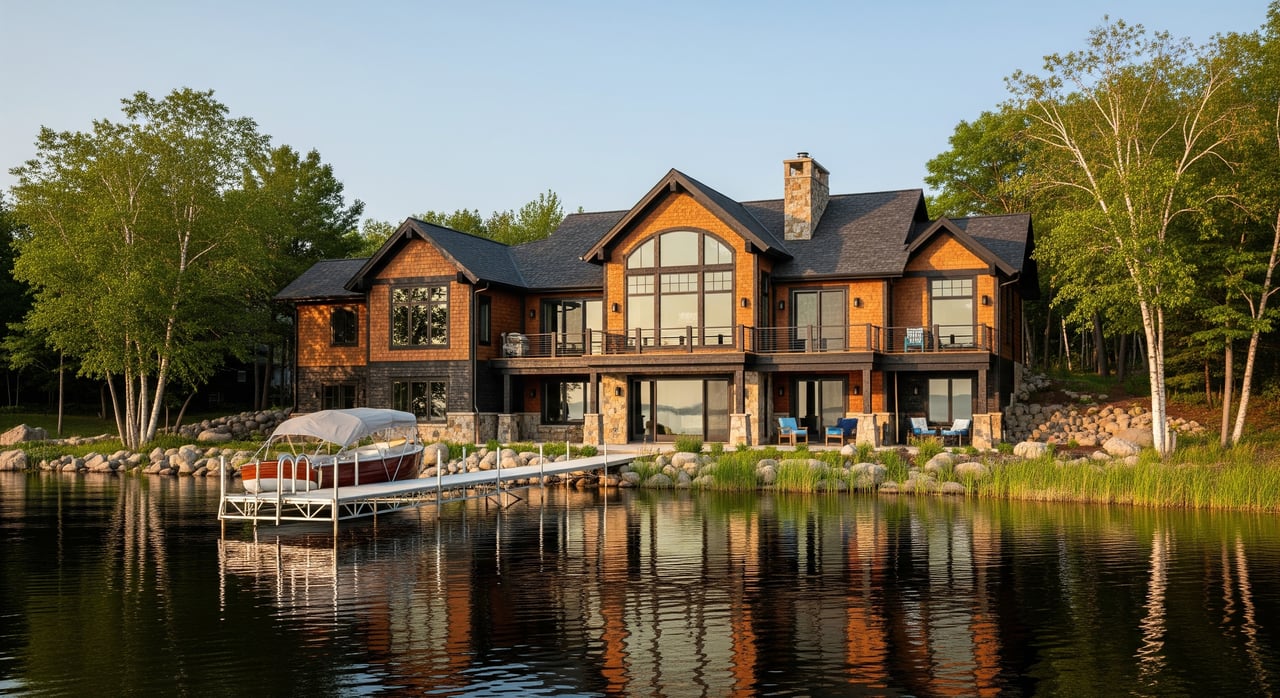
Dreaming about a cabin on the Whitefish Chain or a quiet lakeside retreat near Brainerd, but unsure how financing works for a second home? You’re not alone. Buying a vacation place feels different from buying your primary house, and the loan rules are different too. In this guide, you’ll learn how second-home financing compares with primary and investment loans, what down payment and reserves to expect, and the local details that matter around Crow Wing County. Let’s dive in.
What lenders call a second home
Lenders sort properties into three buckets because risk and pricing change with how you use the home. The rules come from national agencies and investor guidelines that most lenders follow.
Primary vs. second vs. investment
A primary residence is the home you live in most of the year. It usually gets the most favorable financing terms and the lowest down payments, as explained in the CFPB’s mortgage basics.
A second home is a vacation or seasonal property you plan to occupy part of the year. To qualify as a second home, the property generally must be suitable for year-round use and not be rented to tenants. Conventional loans follow rules set by Fannie Mae and Freddie Mac. You can review occupancy and eligibility standards in Fannie Mae’s Eligibility Matrix and Freddie Mac’s Single-Family Seller/Servicer Guide.
An investment property is purchased mainly for rental income or appreciation. Lenders treat it as higher risk. That means higher down payments, higher rates, and stricter reserves compared with a primary or second home, as outlined in agency guides and the CFPB’s mortgage overview.
How second-home loans work
Conventional financing is the most common route for Brainerd-area cabins. The rules below are typical for conforming loans and can vary by lender and your profile.
Down payment and LTV
- Typical minimum down payment for a one-unit second home is around 10% when you meet investor guidelines, based on the Fannie Mae Eligibility Matrix.
- Investment properties commonly require 15% or more down. If you finance multiple properties or 2–4 units, the minimum can rise.
Interest rates and pricing
- Expect a small rate premium for a second-home loan compared with a primary residence. Investment property rates are typically higher than second homes.
Debt-to-income (DTI)
- DTI limits for second homes are similar to primary residence loans with conventional underwriting. Lenders may add their own stricter overlays for some borrowers.
Reserves you may need
- Second-home loans often require several months of PITI in reserves, commonly 2–6 months. Investment loans usually require more, often 6–12 months.
Occupancy and distance rules
- Lenders will confirm your intent to use the cabin as a personal getaway, not a rental. The property must be suitable for year-round occupancy. If your plans include tenant rentals or significant Airbnb use, lenders will classify the home as an investment property. See definitions and occupancy types in the Fannie Mae Eligibility Matrix and Freddie Mac’s Guide.
FHA and VA programs
- FHA loans require you to occupy the property as your primary home, so FHA is generally not available for second homes. Review primary occupancy rules on HUD’s Single Family Housing site.
- VA loans are designed for primary residences. Some exceptions exist, but most buyers cannot use VA for a vacation home. See VA’s home loan program for details.
Documentation you should expect
- Photo ID and credit check
- Pay stubs, employer verification, and tax returns (two years if self-employed)
- Bank and asset statements for down payment and reserves
- Gift letters if funds are gifted
- Purchase contract and HOA or lake association documents
- Appraisal and any required inspections
Brainerd-area factors that affect financing
Waterfront and cabin properties in 56401 and around the Whitefish Chain have unique features that impact underwriting, insurability, and long-term costs. Planning for these early can save time and stress.
Shoreland rules and docks
Minnesota shoreland rules and local zoning govern setbacks, docks, boathouses, and shoreline alterations. Before you buy, review the Minnesota DNR’s Shoreland Management resources and check local Crow Wing County permits and restrictions. These rules can affect your ability to expand a deck, add a dock, or modify the shoreline.
Septic and well systems
Many cabins rely on private septic and well systems. Lenders often require proof that systems meet code or that any issues are corrected before closing. Plan for a septic inspection, percolation test if needed, and a well test. Ask for maintenance records and permit history.
Seasonal access and winterization
Confirm whether the road is maintained year-round and whether utilities support winter use. Seasonal roads or limited winter access can affect occupancy classification and insurance. Ask your insurer about winterization requirements to avoid damage and coverage gaps.
Flood risk and insurance
Waterfront lots can face flood risk even outside mapped flood zones. Check the FEMA Flood Map Service Center to see if the property is in a Special Flood Hazard Area. If it is, flood insurance will be required by your lender. You can search property risk on FEMA’s Flood Map Service Center. Many buyers choose flood coverage voluntarily for added protection.
Appraisal expectations for lake homes
Appraisers consider shoreline quality, lake access, frontage, seasonal usability, and outbuildings. An appraiser familiar with Brainerd-area lakes can help ensure comparable sales reflect shoreland value and marketability.
Planning to rent part-time?
If you plan to rent the cabin either short-term or long-term, most lenders will treat the property as an investment. That means higher down payment requirements, higher rates, and stricter reserves than a true second home. Confirm your intended use with the lender upfront. Also check township-level short-term rental rules and be sure your insurance policy covers rental activity. Fannie Mae and Freddie Mac occupancy definitions guide how lenders classify the property, as noted in their Eligibility Matrix and Freddie Mac Guide.
Taxes and homestead basics
Minnesota’s homestead classification and tax benefits apply to your primary residence, not a second home or seasonal cabin. This affects your property tax rate and classification. Review the Minnesota Department of Revenue’s homestead information to understand what qualifies and how it impacts taxes when you buy a lakeside getaway in Crow Wing County.
Your Brainerd cabin buyer checklist
Use this list to stay organized from pre-approval through closing:
- Income and assets: recent pay stubs, W-2s, and two years of tax returns if self-employed; two months of bank and investment statements
- Down payment plan: document the source of funds and any gifts with required letters
- Current mortgage statements for any financed properties
- Purchase documents: signed contract, seller disclosures, HOA or lake association rules, and any dock or shoreland permits
- Property health: septic inspection, well test, and records of permits or repairs
- Insurance: quotes that reflect seasonal or vacation occupancy and flood coverage if applicable
- Appraisal and inspections: coordinate with your lender and schedule specialized inspections if needed
Smart lender questions to ask
Bring these questions to your mortgage conversations so you know exactly what to expect for a Brainerd-area second home:
- Do you offer a specific conventional second-home program? What are the minimum down payment and credit requirements?
- How do you define a second home versus an investment property? Will any short-term rental use change the loan type?
- What pricing adjustments or rate premiums apply to second-home loans compared to primary residences?
- How many months of PITI reserves do I need for my profile and number of financed properties?
- Will you accept gift funds or retirement distributions for my down payment and reserves?
- Are there any lender overlays I should know about, such as tighter DTI caps or property-condition requirements?
- Do you have appraisers who know Crow Wing County lake properties?
- What insurance coverage do you require for seasonal vacancy and waterfront features like docks?
Local guidance that reduces surprises
Second-home financing is not one-size-fits-all, especially around lakes where shoreland rules, septic systems, flood zones, and seasonal access can change the picture. When you align the right loan program with the right property, you protect your budget and your lake plans.
If you’re sizing up a cabin near Brainerd or on the Whitefish Chain, we can help you evaluate financing fit, request the right inspections, and spot local issues before they become deal-breakers. For a warm, high-touch process tailored to lakeside living, connect with the Pederson Team. Schedule a Lakeside Consultation.
FAQs
What is the typical down payment for a Minnesota second home?
- Conventional second-home loans commonly allow around 10% down, with stronger reserves and a small rate premium compared with a primary residence, per Fannie Mae and Freddie Mac norms.
Can I use FHA or VA to buy a Brainerd cabin?
- FHA requires primary occupancy and VA loans are intended for primary residences, so these programs generally do not apply to vacation homes; see HUD’s Single Family Housing and the VA home loan program.
How does short-term renting affect my loan options?
- If you plan to rent on a short-term basis, lenders typically classify the property as an investment, which increases the down payment, rate, and reserve requirements under agency guidelines.
Do I need flood insurance for a Whitefish Chain cabin?
- Flood insurance is mandatory if the home is in a FEMA Special Flood Hazard Area and is often wise for waterfront lots even outside mapped zones; check FEMA’s Flood Map Service Center.
What local rules affect lakeshore improvements?
- Minnesota shoreland management and local zoning control docks, setbacks, and shoreline alterations; start with the DNR’s Shoreland Management resources and confirm county permits.
How many months of reserves will I need?
- Second-home loans often require 2–6 months of PITI in reserves, while investment properties commonly require 6–12 months, with exact amounts set by the lender and your profile.