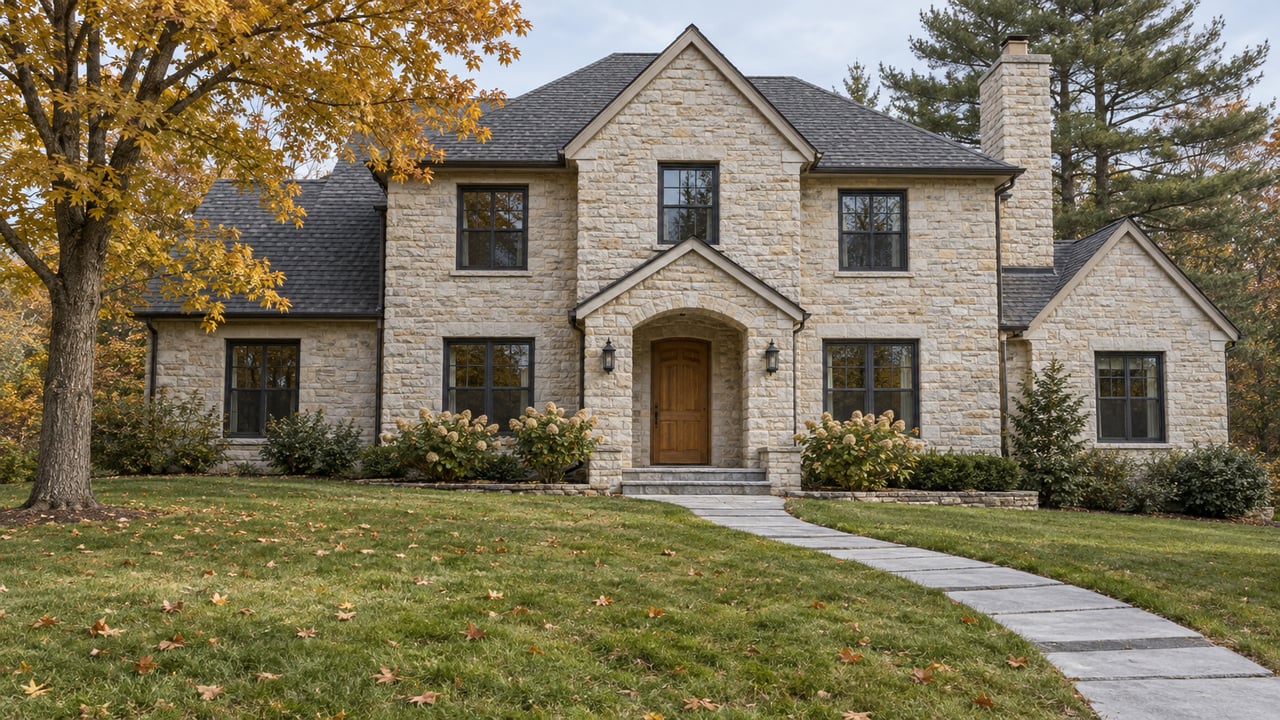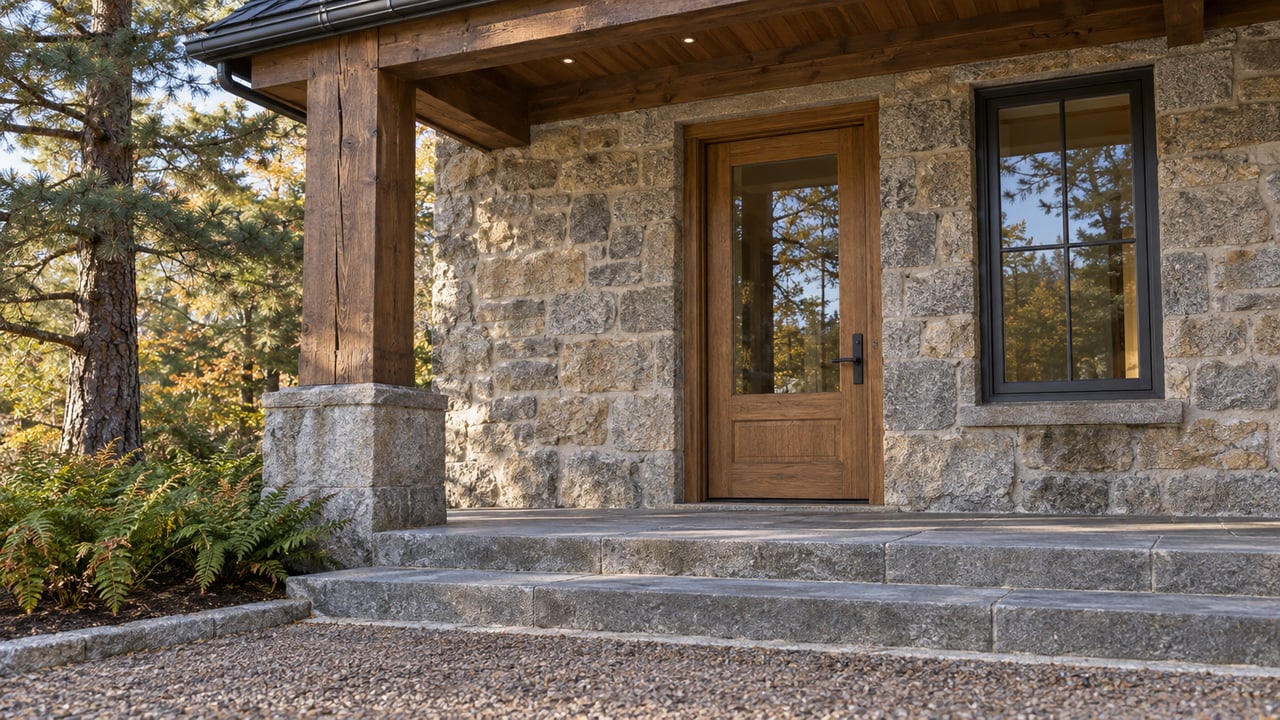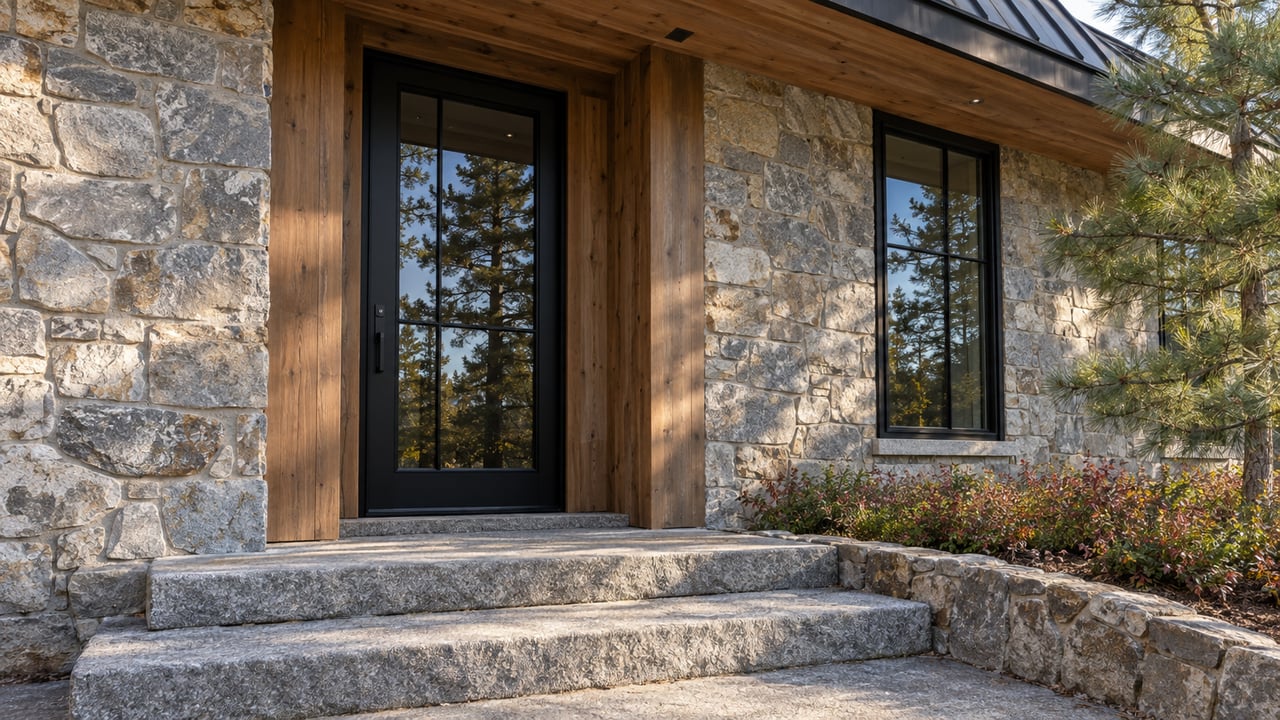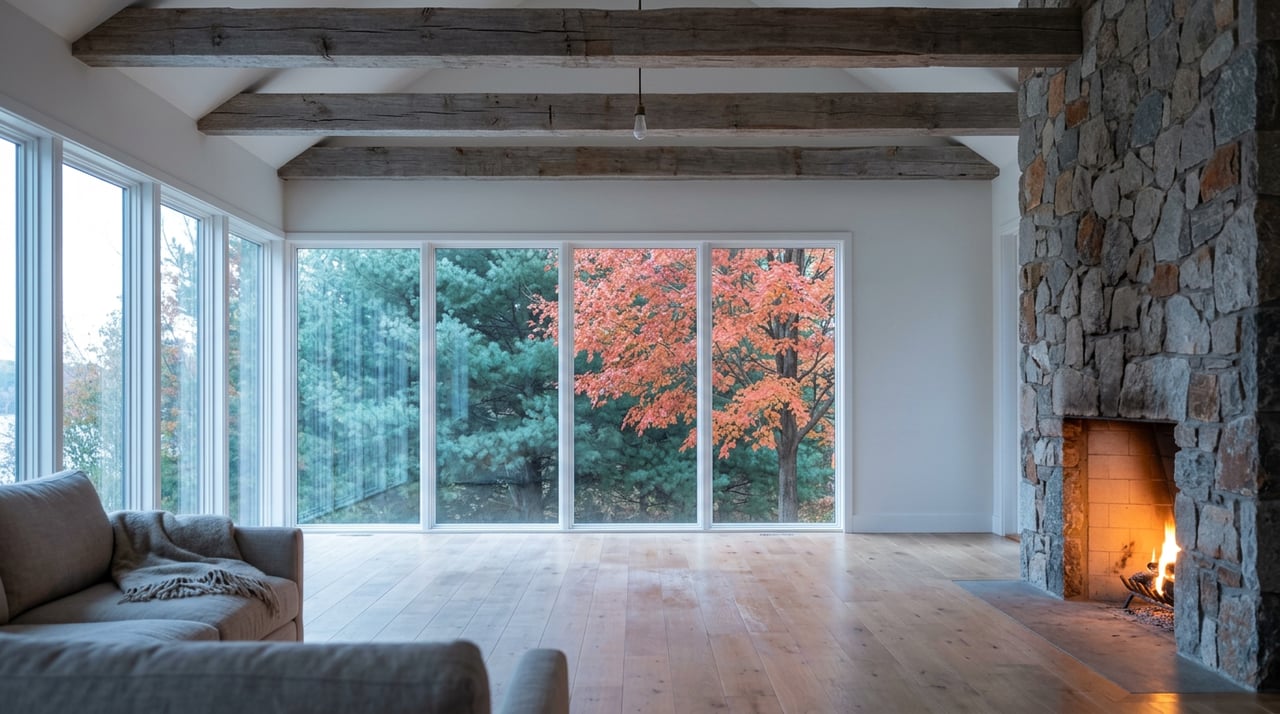
Looking at cabins in Crosslake can feel simple at first glance. You see the view, the trees, the dock, and the kind of place where summer memories come easy. But in a shoreland market like Crosslake, the style of cabin is only part of the story, and understanding the property behind the photos can help you buy with more confidence. Let’s dive in.
Why cabin style matters in Crosslake
Crosslake is shaped by water in a big way. The city sits on the Whitefish Chain of Lakes, has more than 121 miles of shoreline, and more than one-third of its area is covered by water. It also has a large share of seasonal housing, with 60% of its 2,477 housing units used seasonally.
That matters because many properties here were designed as weekend or vacation homes first. As a buyer, you may be comparing cabins that look similar online but function very differently depending on age, lot layout, shoreline rules, and year-round usability.
Common cabin styles you’ll see
Classic knotty-pine cabins
When you see knotty-pine walls or ceilings in a listing, that usually points to a rustic cabin feel. It often signals original wood interiors rather than a full modern remodel.
These cabins can offer the classic lake-home atmosphere many buyers want. At the same time, older finishes may come with older systems, tighter room layouts, or a property that needs a closer look before you make plans for updates.
A-frame cabins
A-frames are easy to spot because of their steep triangular shape. The roof typically reaches down close to the ground, and windows are often placed on the front and rear gable ends.
In a place like Crosslake, A-frames fit naturally into the cabin landscape because of their long connection to vacation-home design. They can feel iconic and memorable, but the layout and usable upper-level space may differ from what you expect in a more traditional cabin.
Modern and contemporary lake homes
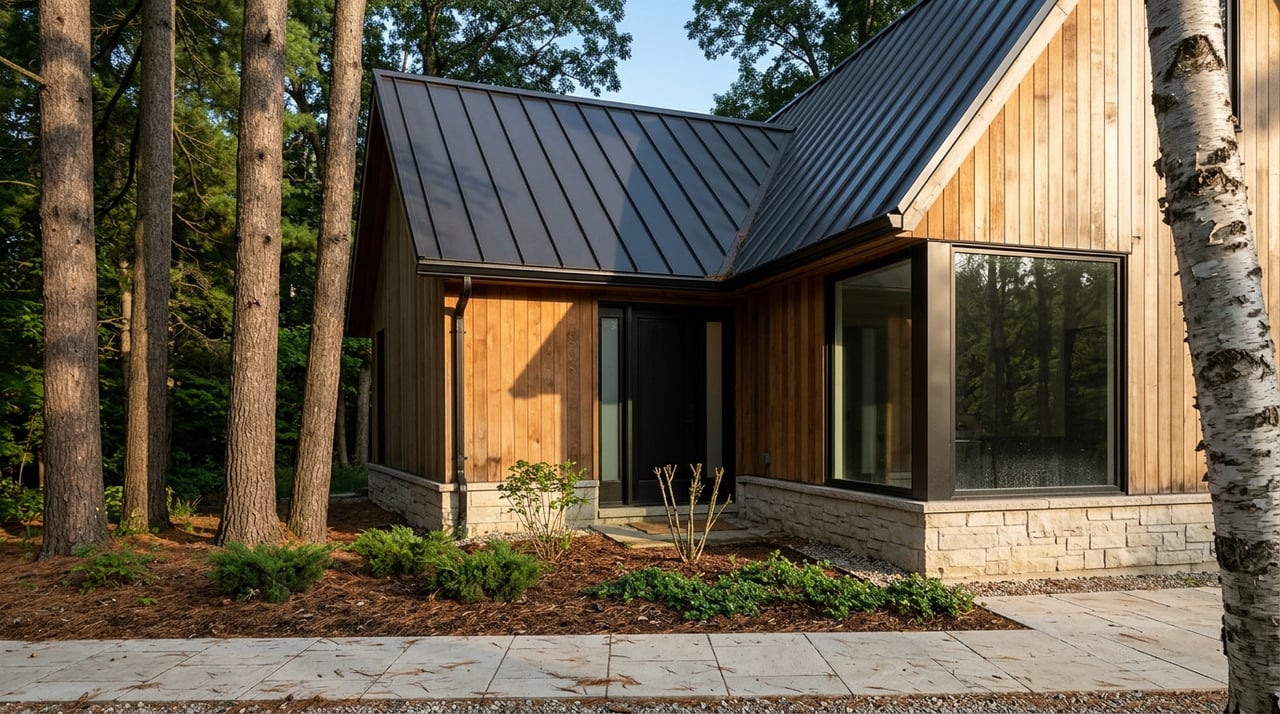
Newer Crosslake properties often look very different from older cabins. Contemporary homes tend to feature clean lines, large windows, open floor plans, natural materials, and a simpler overall look.
For many buyers, these homes offer a brighter and more turnkey experience. They may also reflect higher build costs, which helps explain why newer lake homes can sit in a different value category than an older seasonal cabin on a similar stretch of shoreline.
Townhome-style lake properties
Not every Crosslake property is a standalone cabin. Some townhome-style or attached lake properties are part of a common interest community, also called a CIC.
That can reduce some day-to-day responsibilities like snow removal or yard maintenance. It can also mean ongoing fees, shared rules, and limits on exterior changes, so the association documents matter just as much as the listing photos.
How to read listing photos better
Look for style cues
A few visual details can tell you a lot before you ever step inside. Knotty pine usually suggests a more rustic interior. A-frame roofs usually show up as steep triangular silhouettes, while contemporary homes often stand out with larger windows and cleaner lines.
Townhome-style listings often include language about an association or shared maintenance. That is your cue to ask deeper questions about rules, fees, and who handles what.
Watch for what photos do not show
A beautiful waterfront photo does not tell you where setback lines fall. It also does not show whether there is room for an addition, whether past site work was permitted, or how much of the lot is already covered by impervious surfaces.
In Crosslake, those details can shape what you are actually buying just as much as the cabin itself. A modest older cabin on a great lot may be more constrained than it appears.
Shoreland rules can affect more than waterfront lots
One of the biggest surprises for buyers is that shoreland rules can apply even when a property does not look fully waterfront. In Crosslake and Crow Wing County, the shoreland zone extends 1,000 feet from a lake and 300 feet from a stream.
That means cabins, homes, and lots near the water may still fall under shoreland standards. If you are thinking ahead to a remodel, garage, addition, patio, retaining work, or landscaping changes, this matters early in your search.
Setbacks vary by lake class
Crosslake’s public structure setbacks from the ordinary high water level depend on the lake classification. The standard is 75 feet on General Development lakes, 100 feet on Recreational Development lakes, and 150 feet on Natural Environment lakes.
The city measures setbacks to the vertical side of the structure, and eaves cannot overhang or reduce the setback by more than 3 feet. In practical terms, that means a cabin that feels close to the water may have very limited flexibility for future expansion.
Older cabins need a different kind of due diligence
Nonconforming does not always mean unusable
Many buyers assume an older cabin is either a fixer or a tear-down. In reality, the better question is whether the lot is conforming, whether the structure is legally nonconforming, and whether there is any remaining building envelope for future work.
Crosslake allows existing nonconforming structures to continue through repair, replacement, restoration, maintenance, or improvement, but not expansion. So the ability to update a cabin is not always the same as the ability to make it larger.
Rebuildability is a separate question
Cosmetic condition is only one part of value. In Crosslake, rebuildability and future expansion potential can be just as important as what the cabin looks like today.
Some older nonconforming lots may still be buildable if setback, impervious surface, and septic standards can be met. That is why buyers should be careful about labeling a property a bargain teardown without first understanding the site’s actual development rights.
Site work and shoreline changes often need permits
In Crosslake’s shoreland areas, permits are required for most dirt moving, vegetation removal, and landscaping work. The city also requires an impervious-surface worksheet with shoreland district permits, along with evidence of subsurface sewage treatment system compliance.
Crow Wing County also notes that permits are required for most dirt moving and vegetation alteration in shoreland zones. If you picture yourself clearing views, regrading a yard, adding hardscape, or changing the shoreline, those plans should be checked early.
Natural shoreline matters
Minnesota recommends a natural approach to shoreline stabilization using vegetation. Shorelines that are cleared of natural vegetation are more vulnerable to erosion.
In some situations, riprap or other hard armoring may be appropriate, but permits are required. Even then, the landward side should still be stabilized with deep-rooted vegetation.
Septic status should be part of your cabin review
For older Crosslake cabins, septic is not just a maintenance item. It is also part of the permitting story.
Crosslake requires septic compliance documentation for permits. The compliance inspection must have been completed within the last 3 years, or the system must have been installed or upgraded within the last 5 years.
If you are considering a remodel or future addition, septic records should be part of your early review. A charming older cabin can come with a more complicated path if the system is outdated or missing current compliance documentation.
Smart questions to ask before you buy
If you are serious about a Crosslake cabin, a few questions can help you move beyond the lifestyle appeal and understand the property itself.
- Is the lot conforming?
- Is the structure legally nonconforming?
- What is the shoreland classification?
- Where are the setback lines?
- Is there remaining room for an addition or site improvements?
- What permits have been pulled in the past?
- What is the septic status?
- Is the property part of a CIC or association?
- Are there rules or fees that affect your use of the property?
These questions matter whether you are buying a rustic knotty-pine cabin, an A-frame, a newer contemporary home, or a low-maintenance attached property.
How to think about value in Crosslake
In many markets, buyers focus mainly on the house. In Crosslake, the lot, shoreline setting, and development rights can carry just as much weight.
A smaller cabin with a strong site and clear future options may offer more long-term flexibility than a prettier home on a constrained lot. The right purchase depends on how you plan to use the property, whether that means summer weekends, occasional winter stays, or a more regular lakeside routine.
Buying with a clear plan
Crosslake cabins can be full of character, from classic knotty-pine interiors to striking A-frames and polished modern lake homes. The key is knowing how style, site, and shoreland rules work together before you fall in love with the view alone.
If you want help sorting through cabin styles, lot constraints, and what a property may realistically allow in the future, the Pederson Team offers buyer representation and local guidance rooted in the Whitefish Chain lifestyle.
FAQs
What cabin styles are common in Crosslake?
- Common Crosslake cabin styles include classic knotty-pine cabins, A-frame cabins, modern or contemporary lake homes, and some townhome-style lake properties with shared maintenance.
What should buyers know about shoreland rules in Crosslake?
- In Crosslake and Crow Wing County, shoreland rules can apply within 1,000 feet of a lake and 300 feet of a stream, so even properties that are not directly on the water may face setback, permitting, and site-work standards.
What does knotty pine mean in a Crosslake cabin listing?
- Knotty pine usually refers to pine wood with visible decorative knots used as interior finish, and in listings it often signals a rustic, older-cabin feel.
What should buyers ask before buying an older Crosslake cabin?
- Buyers should ask whether the lot is conforming, whether the structure is legally nonconforming, what the septic status is, where the setback lines fall, and whether future additions or site work are likely to be allowed.
What should buyers review for a Crosslake townhome or attached lake property?
- Buyers should carefully review the CIC declaration, bylaws, rules, and fees because shared-governance properties may limit exterior changes and add ongoing ownership obligations.